Crafting User Personas: A Guide to Empathizing with Your Target Audience (Plus a Free Template to Get Started)

Anna Rózga

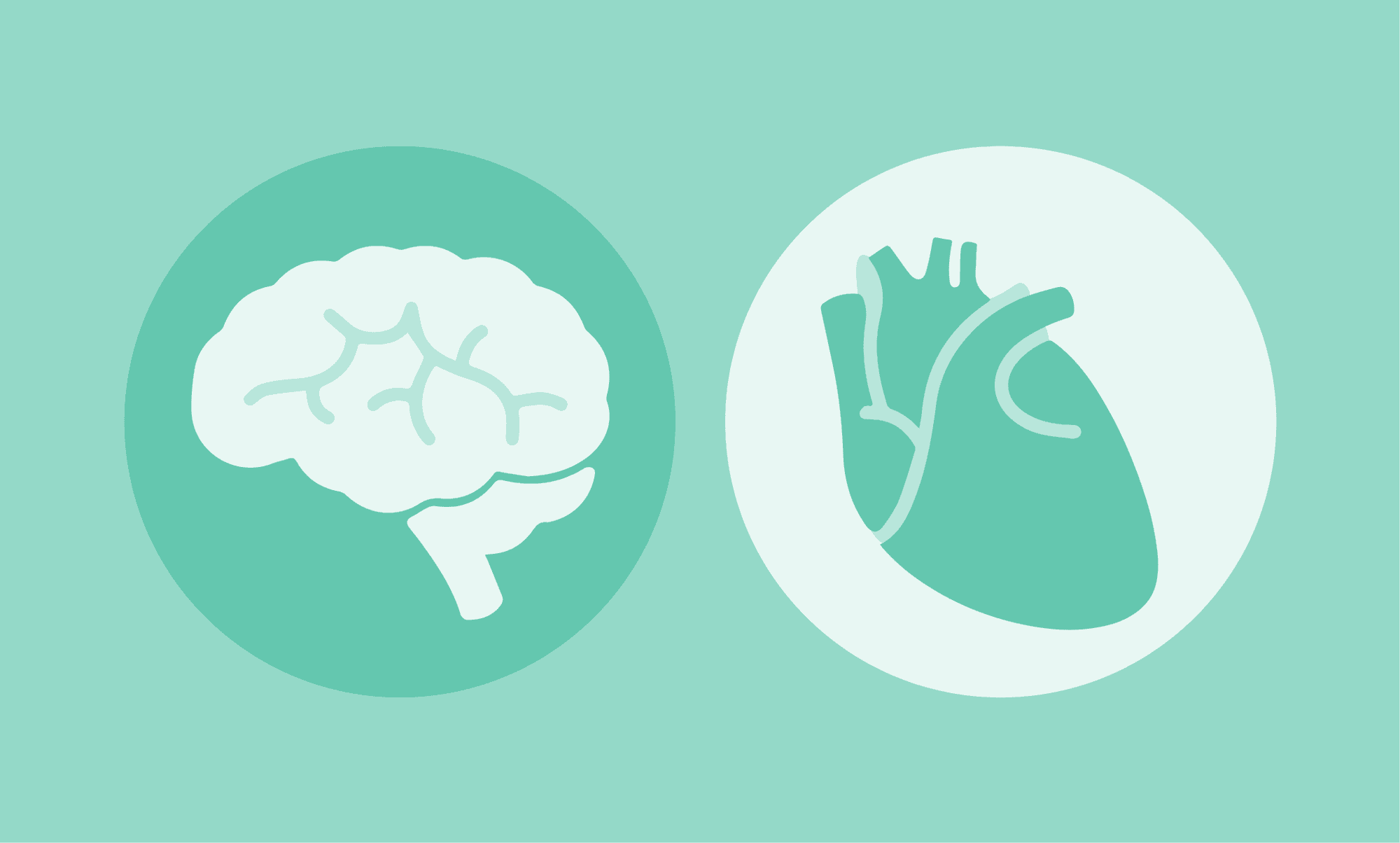
Ah, the age-old question: should I follow the heart or the mind? Which is more important – empathy or rational thinking? When it comes to human-centred design and creating digital products with real-life users in mind – the answer is… both! That’s why a User Persona is a must-have tool for any professional in the creative field. By combining an empathic approach with user research and qualitative data, you will be able to gain a deeper understanding of your target audience and deliver the best design solutions. With this mission in mind, we’re here to share with you our Engagement Design team’s holistic approach, as well as useful tips and tricks on how to create a User Persona.
But... what is a User Persona?
Let’s start with a quick definition. A User Persona is a semi-fictional character who represents the needs and wants of a larger group of users. Pretty straightforward, right? But wait… how can someone be semi-fictional? In this context, it means that your User Persona is more than a product of your own wild imagination. Rather than that, it should be a well-researched and knowledge-based visualisation of your actual target audience.
Yeah, yeah, we know – searching for information isn’t everyone’s cup of tea… But before you get discouraged by this step of the design process, let us show you why putting effort into researching User Personas' important characteristics is extremely beneficial to whatever project you’re working on. Think of it that way – if creating a digital product is a journey (and a difficult one at times!), then a User Persona is your best travel companion as well as your guide.
The benefits of empathizing with your audience
They say travel broadens the mind. A big part of that is meeting new, interesting people and hearing their stories. Similarly, listening to (or rather – observing) your target users helps you build empathy and gain a fresh perspective and valuable insights into the user needs and pain points. By befriending your design journey companion – a User Persona you’re crafting – you are able to create more user-friendly digital experiences. Through functional UX design, you can boost the conversion rate and monetize your audience's engagement.
Let your Persona guide you
More importantly, a User Persona is not only your travel mate, but also a guide who will help you navigate through the ideation process. Visualise your customers’ wants and needs, and subsequently identify exactly what they expect from the product you’re developing. With a clear understanding of a problem you’re here to solve, you can avoid adding unnecessary features or, let’s say, choosing the wrong tone of voice in your brand strategy. In other words – a User Persona holds the map to finding the best solutions. Convinced? So, let’s get crafty!
A step-by-step guide to creating User Personas
Here’s where hero/dot’s unique holistic approach comes into play. By combining experience and analytical thinking skills with empathy and intuition, our Engagement Strategists craft useful and well-rounded Personas based on real data – in just 3 steps!
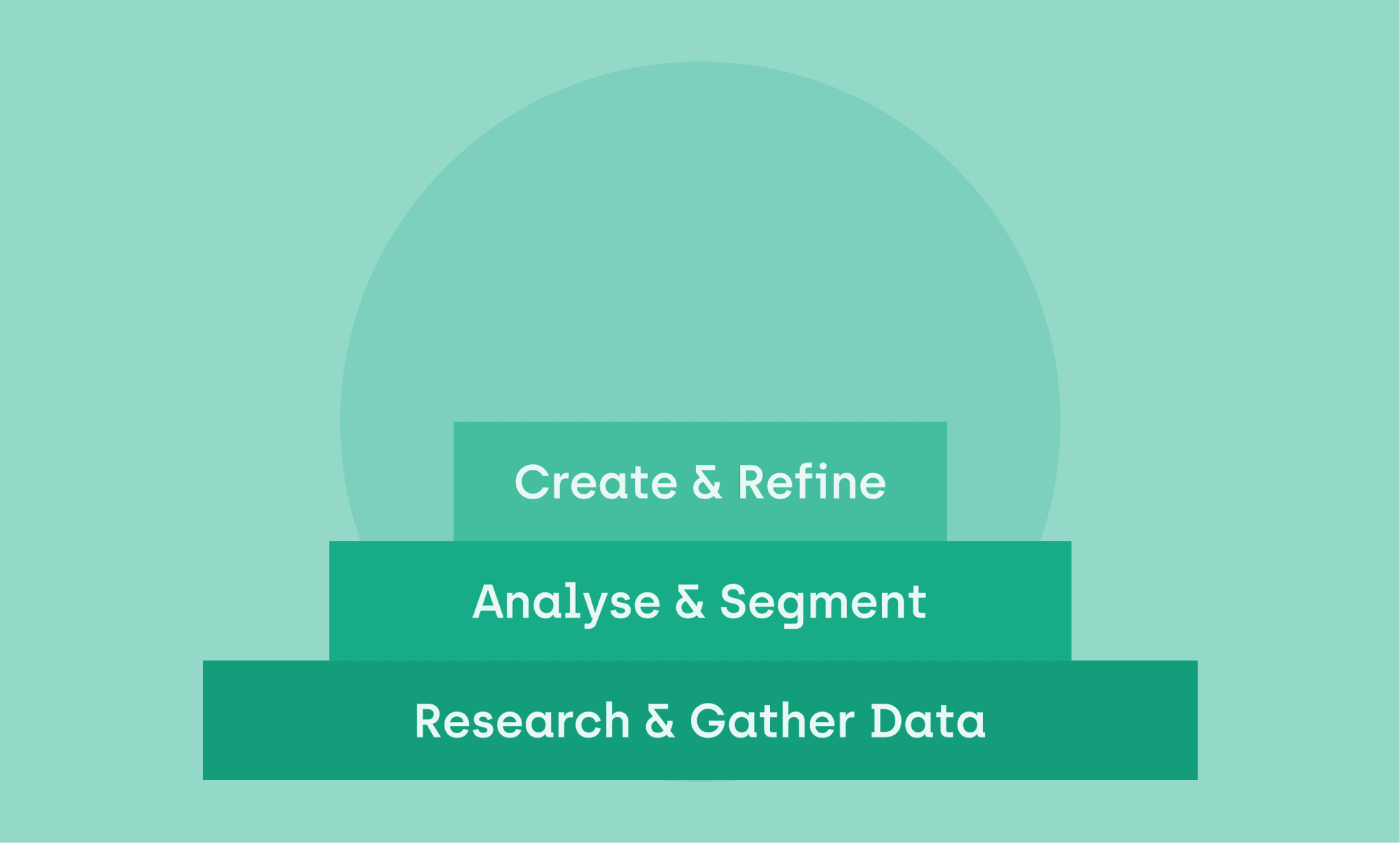
Step #1 – Research & Gather Data
If you’re scratching your head right now and asking yourself, “How am I going to do that?”, we have some good news for you! Having access to a large budget, specialized tools and complex datasets is great. But a lot of times, focusing on observing real people in their digital user environment can give you valuable insights into the most important user groups.
For our Engagement Strategists, before they get down to create Personas, the first step is conducting thorough desk research and analysing benchmarks. It’s also a good idea to rely on web analytics or even open up some statistical reports and user research studies – as long as you keep in the back of your mind that demographic data doesn’t tell us everything about a person’s mindsets and motivations. It’s just a great jumping-off point!
Key components
When it comes to observing your real users' behaviour, you should think from the Persona's perspective and focus on these three key components of every User Persona:
#1 Key demographic(s): What is their personal and professional background – their age, gender, marital status, current occupation? In which user environment do they operate? What are their user characteristics and personality traits? Basically – who are they?
# 2 Key motivation: What is their main goal? What motivates them to achieve it? What are their current behavior patterns? And most importantly – how does my product answer those user needs and wants?
#3 Key pain-points: What is their main barrier to achieving their goal? What issues do they face? How can my product help them overcome those challenges?
Step #2 – Analyse & Segment
So, you have your real data – great! Now it’s time to analyse gathered user research and to look for patterns and trends. Remember – focus more on what motivations and needs connect your real users, rather than what demographic characteristics divide them. When you’re ready, start splitting these groups into categories. It's best to build more than one Persona. How many User Personas do you need exactly? It all depends on the nature and size of your user base, but usually you should end up with roughly 2-5 main customer groups. Then you can prioritise them based on behavior patterns and start turning into well-rounded User Persona profiles!
Step #3 – Create User Personas
If you search “user persona template” online, you’ll find lots of professional-looking editable files. Honestly, it doesn’t matter all that much if your User Persona takes the form of a captivating 2-page CV-like document or a simple bullet point list. Sure, including fictional personal details, like a photo, name or summary quote, could bring your realistic character to life and help your team visualise your target audience. But relying on them too much could easily be distracting or worse – turn your User Persona into a harmful stereotype.
Tips & tricks on creating User Personas
Tip #1 – It’s better to start small
…than to not try at all! If you’re creating a new product and don’t have a lot of data and information at your disposal, you can start by creating a Protopersona – a type of User Persona that is based on Engagement Strategists’ less in-depth research, as well as their experience and intuition. Just to be on the same page, remember to be extra conscious about your own internal biases and prejudices that could negatively influence your design process.
Tip #2 – Think of a scenario
We talked about a goal-directed approach to User Personas, but you can always expand them in a more role-based direction. Imagine a particular context in which your User Persona interacts with the product in their specific environment, like their preferred social media channels. Ask yourself: what roles do they take on in this scenario?
Tip #3 – Avoid self-referential design
Sure, as designers, we love creating things that excite us and that we would gladly use ourselves. That’s why it’s easy to fall into the trap of projecting your own preferences on your target user. Remember, a good User Persona is a map that you can always refer back to every step of the UX design process.
Tip #4 – Download our free User Persona Template to get started
Our Engagement Design team has developed a highly adaptable resource to aid your creation process and effortlessly construct multiple Personas. Whether it's your first time creating user personas, or you're looking for a more structured framework for understanding your target audience, it's a must-have tool for any professional in the creative business. Click here to download our User Persona Template completely for free. CLICK!
In conclusion
When creating a well-rounded User Persona, let your heart and mind work together! Use desk research and benchmark analysis as a jumping-off point for a more holistic approach. Rely on your experience and knowledge, build empathy and focus on what connects your real life users, rather than divides them. With a User Persona as your travel companion and a guide, you are ready to embark on your next design journey – good luck!
Need expert assistance with your digital project?